Does personalization raise order value? What the research says
How many shoppers want personal products, what they pay for them, and how to check it in your own store.
The market
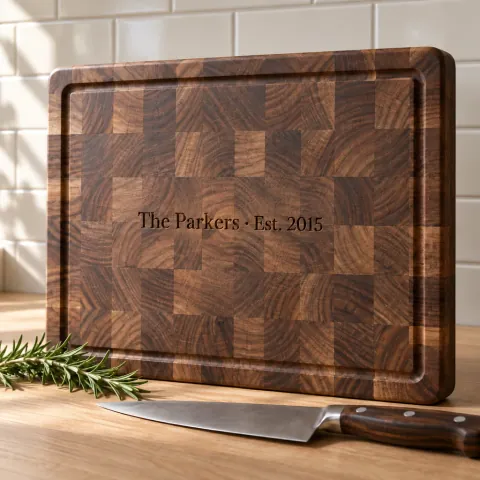
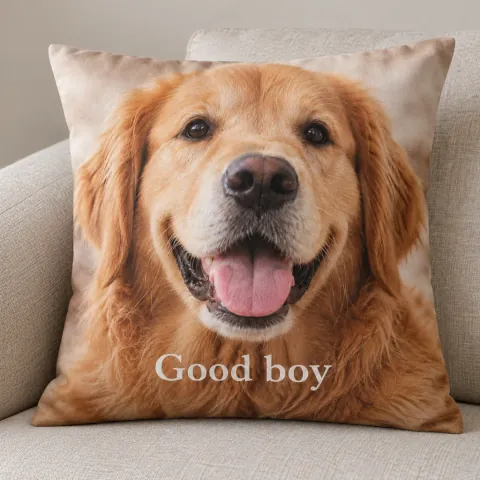
Personalized gifts were a US$37.8 billion market worldwide in 2024, on track for US$52.8 billion by 2030, according to Market Glass. That is gifts alone: name jewelry, engraved boards, pet portraits, photo pillows and the like. It doesn’t count personalized clothing, team uniforms or printed merch.
Shoppers pay more
Bain & Company found that shoppers paid about 20% more for a customized product than for the standard one.
A 2015 Deloitte UK survey points the same way: 36% of consumers said they were interested in personalized products, and 71% of them would pay a premium for one.
Most have never tried
Bain also found that 25–30% of online shoppers were interested in customizing a product, while fewer than 10% ever had. The demand is there; the chance to act on it often isn’t.
That gap is where a product page matters. A shopper who wants a name on the necklace but finds no field for it buys the plain one, or buys elsewhere.
They come back
Customers who designed their own product gave a Net Promoter Score about 50% higher than those who bought the standard one, Bain reported. A product with their name, their pet or their date on it is one they talk about.
Where the premium shows up
In a store, the premium rarely appears as a higher sticker price. It shows up in the order, as choices the shopper adds:
- Upgrades: a longer chain, a premium wood, gold instead of silver.
- More of it: a second pet in the portrait, a third place on the map.
- Extras: gift wrap, a gift message, a rush slot.
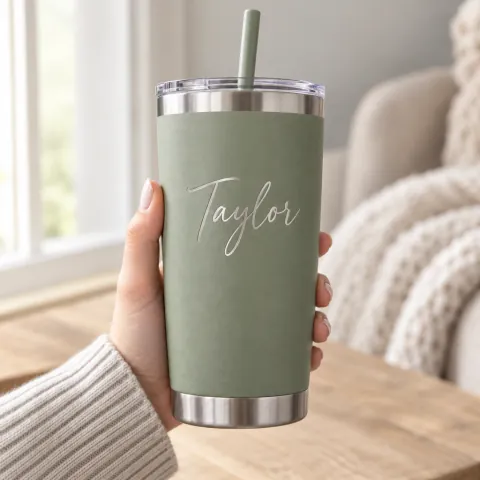
Each one is small. Together they are the difference between the base price and the order value. In our name necklace example, a $49.00 necklace becomes a $70.00 order with a longer gold chain and a gift box.
Read the numbers with care
Each study measured something specific:
- Bain studied product customization online, in 2013.
- Deloitte surveyed UK consumers, in 2015.
- Market Glass sized the personalized gifts market, worldwide.
They are industry figures, not a forecast for any one store. Use them to decide whether to offer personalization, then measure what it does for you.
Why shoppers pay more
Our reading of why the premium holds: a personal product can’t be compared line by line with a cheaper copy, it carries meaning as a gift, and it is made for one person. A shopper who has typed a name and picked a chain is already imagining the finished piece.
What the numbers don’t say
The studies show that many shoppers want personal products and will pay more for them. They don’t say that every product benefits, which price is right for yours, or that more questions on a page sell more. A long form can lose the very shoppers the research counts. Offer personalization where it changes what the product means, and keep it short.
What it means for your store
- Ask on the product page. If a product can be personal, offer it where the shopper decides, not in an email after checkout.
- Charge for it. Shoppers expect to pay more, so price the extras in the cart, next to the choice.
- Make it easy. Short forms, clear prices, photos uploaded on the page. Most shoppers who want to personalize never have; don’t make the first time hard.
- Get it right. Required fields, spelling checks and print-ready photos keep the extra margin from going into remakes.
Mistakes that eat the premium
A personal order earns more, and costs more when it goes wrong:
- Typos. A misspelled name is a remake at your cost.
- Missing details. An order without the engraving text waits for an email.
- Unpaid extras. Gift wrap that goes out free is margin you gave away.
- Late or unprintable photos. The order ships late, or gets reprinted.
Required fields, spelling checks, priced extras and print-ready uploads keep the premium in your pocket.
Measure it in your store
You don’t need a study to know what personalization does for you. Export your orders for a few weeks and split them in two: orders with a personalized line, and orders without. Then compare:
- the average order value of each group;
- how much of the revenue came from add-ons;
- how many orders needed a remake, a refund or a follow-up email.
Run it again after you change a product page. The numbers that matter most are the ones from your own store.
Start small
You don’t need to personalize the whole catalog. Pick one product that is already bought as a gift. Add the one field that makes it personal, like a name, a date or a photo, and one priced extra. Run it for a few weeks, measure, and then decide where to go next.
Questions merchants ask
Does personalization raise average order value?
Studies show shoppers pay more for customized products, about 20% more in Bain’s research. Your own lift depends on what you offer and what you charge for.
How many shoppers want personalized products?
In Deloitte’s 2015 UK survey, 36% of consumers were interested. Bain found 25–30% of online shoppers interested in customizing, but fewer than 10% had ever done it.
Is the personalized gifts market growing?
Market Glass puts it at US$37.8 billion in 2024 and US$52.8 billion by 2030.
How do I measure it myself?
Compare the average order value of orders with and without a personalized line, over a few weeks, before and after you change a product page.
Which products should I personalize first?
Ones that are already bought as gifts, where a name, a date or a photo changes what the product means to the person receiving it.
How long should I measure for?
Long enough to cover a normal mix of orders, at least a few weeks. Don’t compare a holiday peak with a quiet month.